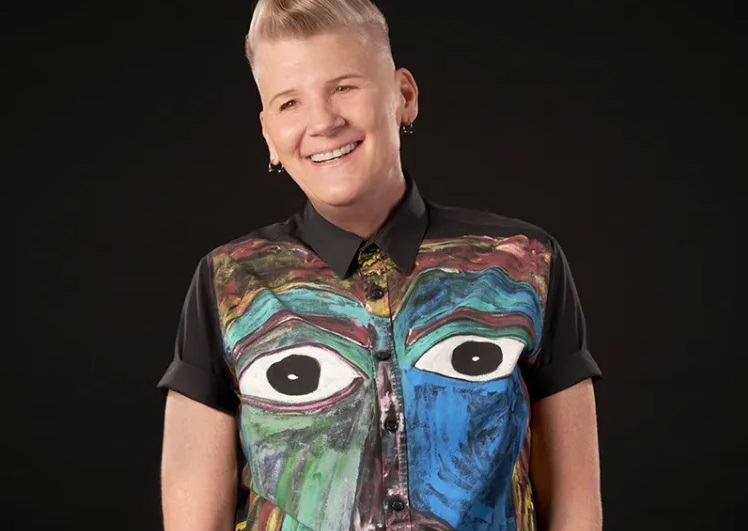
A longtime legend of the DJ booth discuss her music roots, the state of the dance floor today and all that is to come: Morabito!
Thotyssey: Morabito, hello! It’s hard to believe, but summer is nearly over. You DJ’ed the Pines a few times… just recently Labor Day at the Pavilion. What were some summer highlights for you?
Morabito: It was a glorious summer, with many highlights, but I’d have to say that the two events I played at the Pavilion—”The Final Frontier” during Pines Party weekend on Sunday night, and “Edition 23” (my 23rd year playing on Sunday of Labor Day Weekend in the Pines)—were two shining moments. Everything just clicked; both times, the house was packed and the crowd’s exuberance was contagious.
Additionally, I played at a house party in June that went until the wee hours of the morning. It was a benefit for the Tom Of Finland Foundation, marking the first highlight of the summer. I had the luxury of playing a down to mid-tempo groove, never really ramping up the energy too high or thumping. I love diving into a more low-key musical vibe; it’s the sound I usually start with in the first 30 to 60 minutes of an evening, or end with in the last 15 to 30, depending on the venue. Having about seven hours to play, that sound was heavenly. I miss having longer stretches to explore that style in my sets; it was a significant part of the journey back in the 80s and 90s.
I believe that Fire Island was where you first really broke through as a successful DJ over 40 years ago! In what huge ways has that scene changed since you started, and in what interesting ways has it remained the same?
Yes, Fire Island Pines was where I first broke through.
What’s changed is that back in the day, there would be one DJ throughout the evening, and the hours would extend much later—anywhere from 11 p.m. until 6-10 a.m., sometimes longer. That gave us the luxury to create a complete musical journey, including the down trip. Now, you often have two to three DJs in an evening, and the night is shorter. You really don’t have much time to create a journey, let alone a full four to five act musical journey.
Obviously, the music has evolved and changed, and the party favors have changed, which impacts the music and behavior on some level. People also wore more clothing in clubs back then compared to now. Cellphone usage has also been a game changer on various levels. I think some of that is positive, but it does have negative drawbacks.
The boys “played” then (except during the dangerous years of the AIDS pandemic) just as much as they do now (that part is the same), but they were more discreet about it. You didn’t have sex on the dance floor 20 or so years ago; you took it to private areas, off the dance floor.
There was also a time when drinks were not brought onto the dance floor, which I find annoying and distracting. You had separate areas for different functions: dancing, drinking/smoking, and playing.
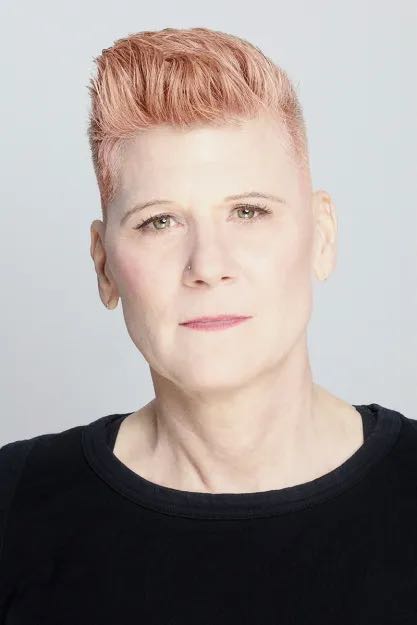
What’s a more important trait for a DJ who aspires to be a DJ forever to have: being able to constantly change and evolve with the trends and tech of the moment, or sticking to a sound and a style as a trademark?
I believe, for the most part, you have to evolve—and better yet, be ahead of the curve. Otherwise, you’ll be left behind and easily replaced. It’s possible that, as a DJ, you might not like the new trend(s)… and in that case, you need to stay true to what you really love and want to do, and ride out the current trend. It’s a choice, and you need to do what feels right to you, but in the end, you still have to pay the bills.
I understand you grew up in Cleveland! Did you come from a musical family… and what were the first sounds and artists that drew you into being a music lover?
I did not come from a musical family, though my father managed a country music club and was a connoisseur of that music. The music that drew me into being a music lover was The Beatles (I had older sisters), Simon & Garfunkel, Cat Stevens, David Bowie, King Crimson, Yes, Emerson Lake & Palmer, Roxy Music, Brian Eno, The Roches, to name a few.
And you ran a record store for a time! That’s the perfect forum for a music lover to become even more of one.
I have worked at record stores since I was 16: two in Cleveland, and then when I moved to NYC, I worked at Vinyl Mania from 1987 until around 1991. After that, I was part owner of a record store, BPM, from 1992 until around 1996.
I also bet that taught you a lot about people’s tastes in music, and how to determine what people might like.
It did, and [it taught me] how subjective music really is. But it didn’t guide or direct me as to what I chose to play. The path I have chosen is to play what I like; I have to trust that what I like, they will like too. In the end you won’t please everybody, so I feel you have to please yourself first. So much of what DJing is about is not only how you put the music together to create a journey that defines your style, but also what you play. It’s your taste in music that says a lot about who you are. A DJ’s taste in music is paramount for a DJ in representing their brand.
In my earlier years, I played maybe 15% of what the crowd liked that I might not have, but I never played what I truly disliked. Now, I only play what I like. I’m a much happier DJ who thrives on complete creative freedom, and I think that shows in my performances.
Over the years you’ve DJ’ed probably every major party and festival in the country, and undoubtedly many in the world! Is it possible to look back and pick a favorite career highlight?
It’s impossible to pick a favorite career highlight from the past four decades—The Pines Party, The Saint at Large Black and White parties, my “Equinox” parties, annual Pines Party Sundays at the Pavilion, Labor Day Weekend, White Party and Winter Party in Miami, Black and Blue in Montreal, and more.
It’s probably a boring question for you at this point, but even in 2024 it’s still so remarkable to be a woman spinning large parties that largely cater to gay men, and to be the all-time favorite DJ of many of those men. How did it come to be that you evolved as a beloved DJ for this boy scene… and do you ever wish you could see more women on the dancefloors?
This isn’t a boring question at all. Even after all these decades, being a woman in this scene comes with its challenges, and it’s still a novelty in some ways. I’m proud of how far I’ve come, all things considered, and I do love playing for the boys; it comes with its own unique energy.
I started playing in a lesbian bar called “Isis” in 1982, and the women, at least back then, loved to make requests. It drove me crazy; it was no fun, nor was it for me. I would also hang out at Isis with the girls, and after they closed, I’d be off to the boys’ club where it would go later. The music was better, and the boys were serious about the dance. The same owner of “Isis” owned the boys’ bar, “Chaps.”
I was interested in playing at the boys’ club because we were musically like-minded individuals. About a year or two after working at “Isis,” Chuck, the owner of “Chaps,” gave me an opportunity to play there on a slower night. Over time, I got better nights, played at more boys’ bars in Cleveland, and eventually moved to NYC in 1987, and the story goes on…
I don’t consciously think, “I wish there were more women on the dance floor.” The women and men, for the most part, just don’t party together; it is what it is. However, for the past six years, I’ve played at Lipstick Jungle in Toronto for their Gay Pride; the crowd is about 60% women, and I just love seeing all those women on my dance floor. I do wish I had more offers to play for women, but I don’t. There could be various reasons for that.
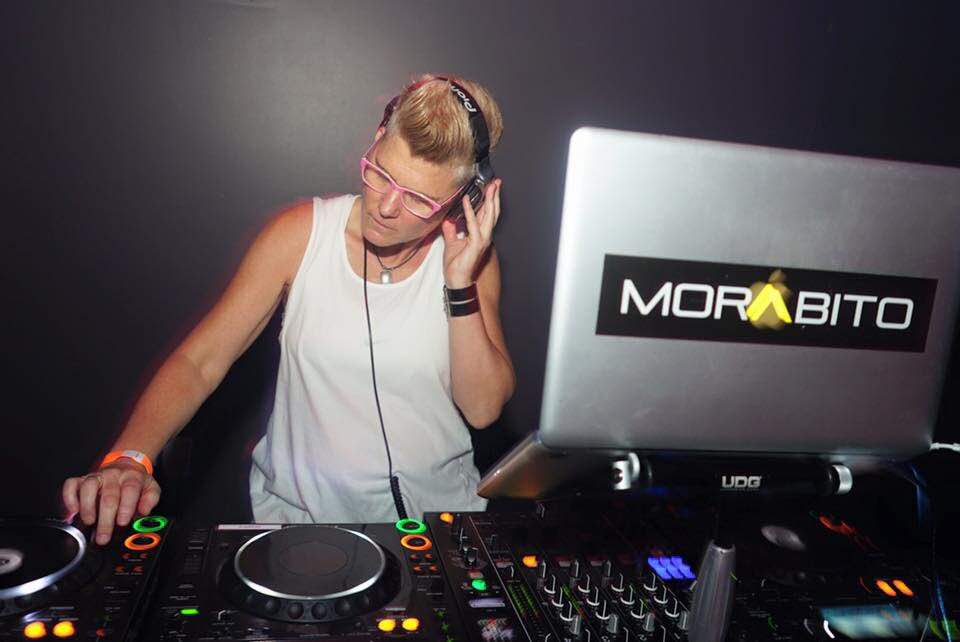
What are your thoughts on the state of music today, pop music or dance music or what have you? Is there still stuff that seems fresh and exciting, or is mostly stale and overdone? Is any new artist or genre or scene particularly exciting for you these days?
Pop music isn’t my thing, so I don’t play it, nor do I play styles I find stale and overdone. With so many genres and choices, there’s no reason to play what you don’t like. If you dig, you’ll find things you love, and there’s something for everyone.
A couple thousand new pieces come out weekly in the genres I follow, and within those six to seven genres, there’s always fresh and exciting music to play. I purchase about sixty to eighty new pieces each month and sift through thousands after breaking them down into artists, remixers/producers, and labels.
I spend a lot of time finding the best, as there’s no room for filler. New and fresh music keeps my passion vibrant after 40 years, and I strive to have interesting things to play at each gig. There always was, and will be fresh and exciting music to play.
I play a lot of house, tech house and melodic techno and I love Tinlicker, Andrew Beyer, ARTBAT, ChanelPhat, Miss Monique, Mijangos, James Hurr, Kryder, Eli Brown, Adapter, Anyma, Bart Skils, BLOND:ISH, Cassimm, Dario D’Attis, Kevin McKay, Mark Knight and Oscar L to name a few.
Other veteran DJs like David Morales and Twisted Dee have recently been voicing concerns and complaints about what younger DJs are doing: not caring about music education, not taking risks, being too preoccupied with money and image and social media, etc. Do you observe this also, or is this just a part of the gig that maybe always was?
First I’d like to say that nobody is in this for the money, at least in the gay world. If anything the fees have lowered, not increased, because it’s an over saturated market. There’s more supply than demand. There isn’t 401K at the end of your retirement unless you’ve set that up yourself, and we have to pay for our own health insurance. There isn’t much job security. The job doesn’t start when we walk in the booth, nor does it end there.
With the rise of digital music and sync buttons on CDJs, becoming a DJ has become easier and more accessible, allowing almost anyone to avoid trainwreck mixes and DJ professionally with minimal experience. This has led to lower prices… and in some cases, a decline in quality. While some club owners, promoters, and clubbers may not notice or care about this drop in quality, many still do.
Before the digital era, DJing was more expensive and required significantly more skill and time. This shift is not unique to DJing; similar changes are occurring in other professions, like graphic design.
The reality is, digital and social media are here, it’s not going anywhere, my focus is to stay in my lane and continue to focus on being a better DJ and staying one step ahead. These younger DJs who don’t care about music education, or taking risks just make those of us who do care stand out that much more.
Social media and image are important, but what matters most is the quality of your work and the image you want to project, not the number of followers you have— everybody knows you can buy them. Ultimately, I believe, quality and passion will prevail. Those without these qualities will be replaced by others who buy more likes and offer cheaper rates. The enduring success of those with staying power is a testament to their excellence and passion.
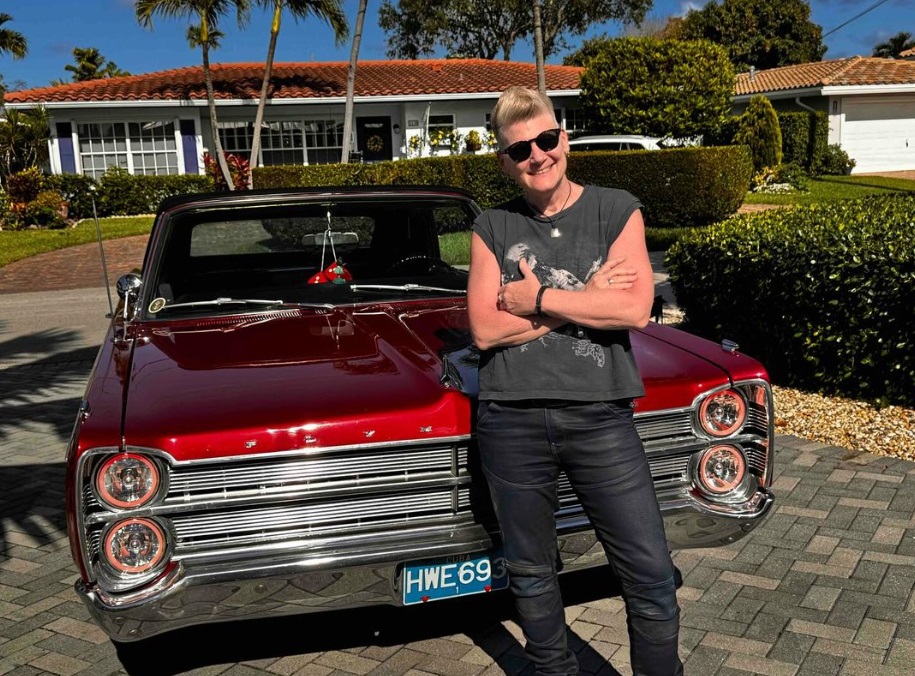
Also, there’s a weird contradiction happening in nightlife, at least in NYC: on one hand people are less social and less inclined to let loose on a dancefloor, they want be on their phones and they want to control the situation with requests to the DJ, they are overall less engaged, etc. But then on the other hand you have these exciting small, newer clubs like Animal and Paragon in Brooklyn and Maspeth’s growingly popular Basement that are totally music driven and simple and packed. What are your thoughts on the state of nightlife, based on what you’ve been seeing?
Phones have changed the dynamic; people are less engaged with each other because of them. However, crowd engagement and phone usage vary by venue. Despite this, people still seem engaged with the music where I play. I’ve noticed many are filming and posting on Instagram stories. And I haven’t received a request in NYC or Fire Island clubs in decades.
Can you name an up and cooking DJ you find promising?
Yes, Evan Ipock AKA Bare Naked. He has great taste in music, understands it, and understands the journey; he’s in it for the right reasons, and he has great promise. He’s also a good and smart person. I’ve taken him under my wing a bit.
The Eagle NYC is another venue you DJ’ed frequently these last few years, particularly since they had a big upgrade in their space and sound system and is now a real dance destination! You’ll be back there September 14, November 16 and December 14. What makes the Eagle great?
Owners Robert and Derek are terrific, they are honest and fair, and their respect and professionalism trickle down to the staff. They give back to the community and treat everyone—staff and patrons alike—with the utmost respect. The club is a safe place to go and great to work with.
It’s a fun venue with a solid sound system. I’ve just completed my 2025 schedule which will be posted on my website in the near future.
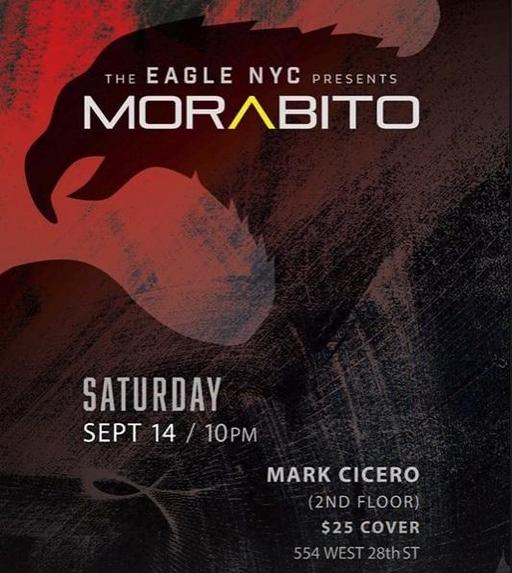
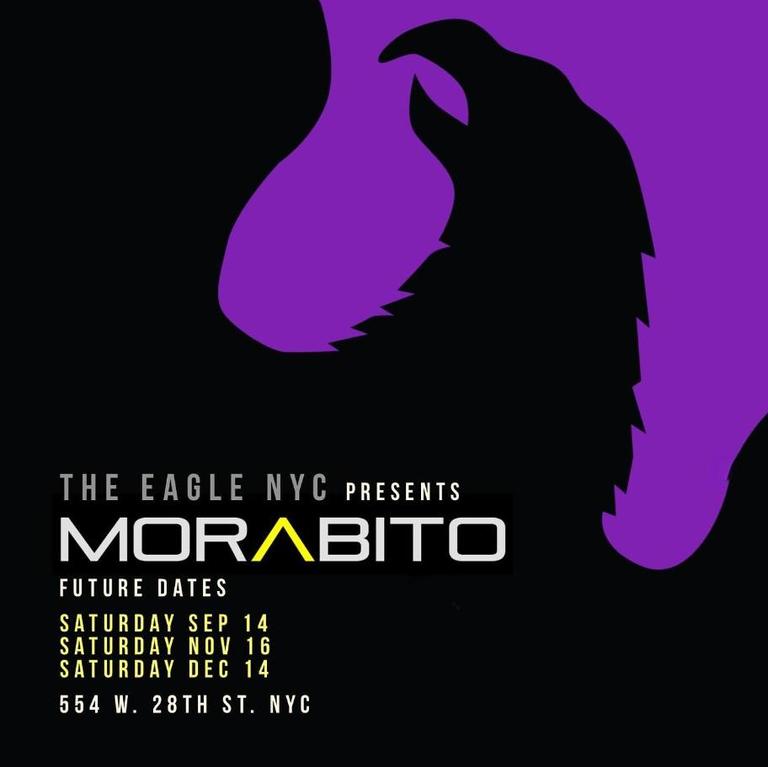
What else is coming up for you?
Coming up in NYC, apart from the Eagle, are “Sanctum After Hours” with Bare Naked at Red Eye on Sunday morning, October 27th.
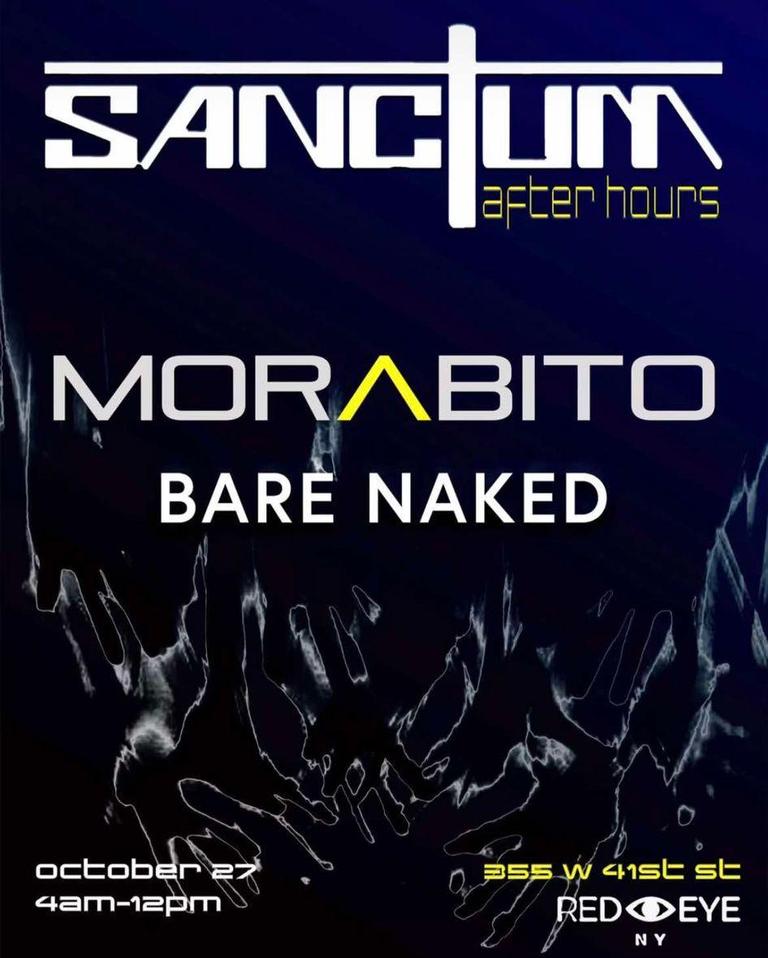
[Next is] “Come Together” with a lineup of legendary DJs in Brooklyn’s Good Room on November 9th. I also have another NYC date on October 5th, which I can’t announce until the contract is signed.
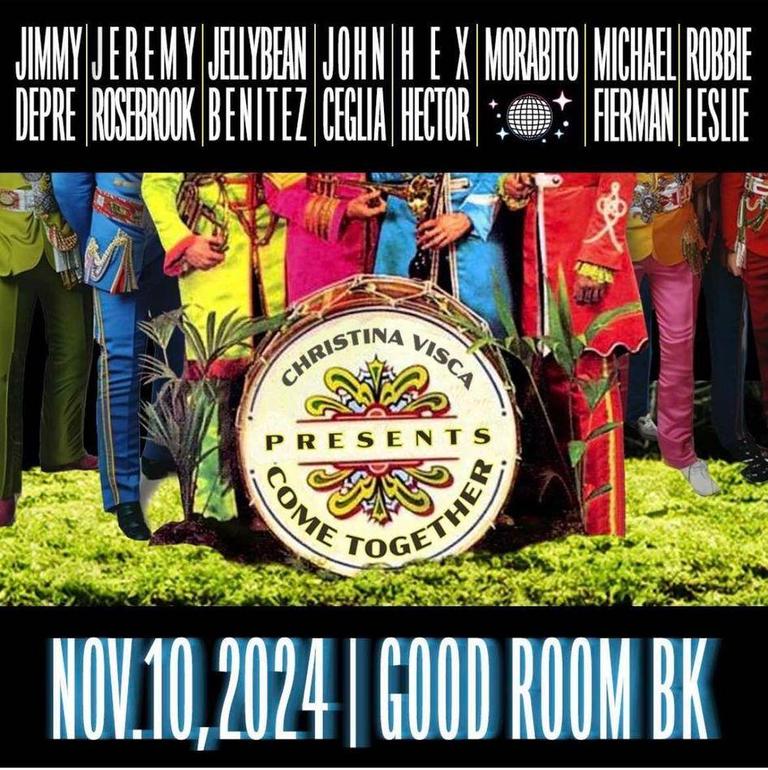
Additionally, I’ll be at Bunker in Washington, DC in September, and in October I’ll be in Palm Springs and Los Angeles. Details and ticket information for these events and more will be released on my website. I’ll throw in a little shameless self promotion and say, if you’d like, sign up for my email list; you can do that from my website.
As summer winds down, I’ll be diving back into production work.
Lastly: what’s your best advice for a new DJ who wants to make it big?
No matter how good you think you are, don’t assume you’re irreplaceable. All DJs are replaceable, especially these days with steep competition, so be professional and fair.
Stay in your own lane; don’t worry about what others are doing or saying. That doesn’t mean you shouldn’t pay attention, but don’t let others’ musical or social media activities influence you. It’s wasted energy.
Most importantly, believe in yourself while remaining objective with each performance. I’ve seen too many DJs think all their performances are great. DJing is a spontaneous art form; it’s impossible to always be great. You won’t grow if you think you’re always perfect. If you pre-program your sets, it may not always work for a live audience at the moment, so they may not always be great either.
Keep your ego in check, and don’t buy too much into the hype about yourself. Hundreds of people will tell you how fabulous you are, but there are just as many who don’t think you’re all that and will never tell you, including some people you hang out with. Understand that, keep it real, be humble, and be objective and as perceptive as you can.
You will make mistakes—that’s okay; you’re human. Persevere, be patient, and resilient. You have to put in the work and time. Passion and hard work is everything, it’s the thing legends are made of.
From the mouth of a true legend! Thanks Morabito!
Check Thotyssey’s calendar for Morabito’s upcoming appearances, and follow her on Facebook, Instagram, Linktree and her website.
 Thotyssey
Susan you will never be forgotten from Isis. You always brought us fun , good times and memories. We were very lucky to have snatched you in your beginning days as a DJ. Plus we Clevelanders feel pretty honored to be the first jump off place for your awesome career. Today you would probably feel so out of place “spinning “ there. Oh what I wouldn’t give to go back for one Moe night with Morabito, BTW…..you look pretty awesome in front of that vintage car girl!
Much love and fondness, Kate Mauceri
LikeLike