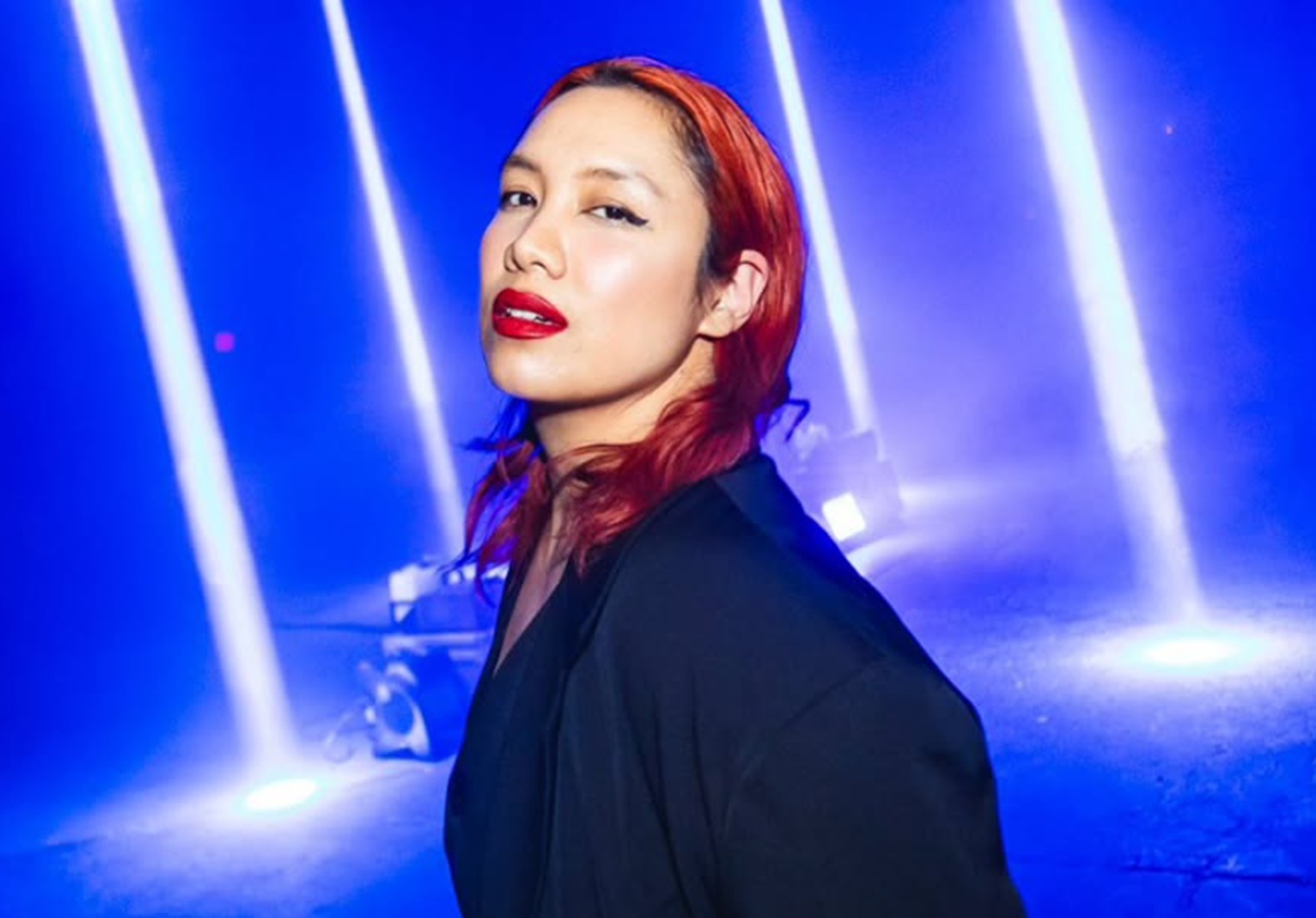
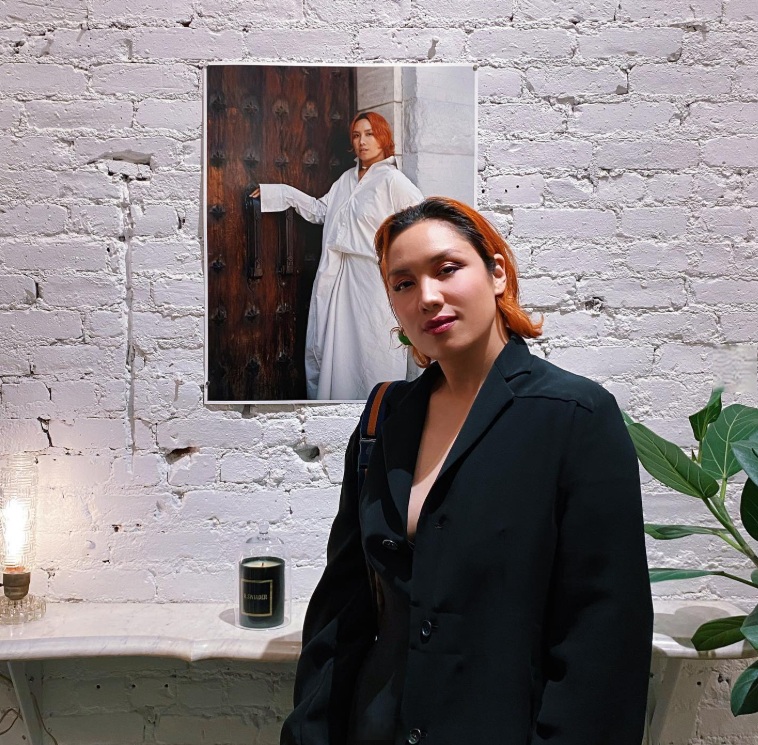
A prolific DJ who plays music both original and curated in clubs across the globe, New York’s own Kim Anh discusses the reality and the future of club life and dance music.
Thotyssey: Kim, hello! I know you are constantly bouncing between the coasts, and across the globe for that matter, to DJ. What’s your living situation like… are you officially a New Yorker?
Kim Anh: NYC is my home base. I split my time between Chelsea and the Hudson Valley, where my music studio is.
Do you have any thoughts regarding the Grammys this past Sunday?
I caught some of it, and my big takeaway is that authenticity pays off… and so does speaking out for what you believe in through your platform and artistry. I also believe there’s this misconception that successful artists have come out of nowhere and rise suddenly, meteorically. When you look more closely, you see they have been around for many years doing the work, pivoting, reinventing and solidifying their identity as an artist.
You recently had a five week residency in Vietnam where you documented that country’s ballroom and nightlife scenes during a period of national change. We can spend hours talking about that, but I was wondering if you could share what your biggest takeaway from that experience was, as far as what’s going on there that is so special and important?
There is so much to unpack on this experience. But I will say it was a reminder of our privilege here in the West, and how connected we all are as a global community. One country’s policy can affect another country’s quality of life. I think we should all look at these truths and recognize that, in some ways, we are responsible for one another. The queer children of Saigon are an incredible example of creativity and resilience. We can learn a lot from them.
Can you describe your own musical sound, both in the original music you create and the tracks you select in the DJ booth?
There is a throughline there…. but I often ask myself this same question. I think when one sits down to make a record, the final outcome comes from a variety of places — references from the time you were born, what your current inspiration is now, and what you hope the track will evoke in the listener. Music should never have to be explained. But I feel my music ends up often more emotional than I intended upon at the start. My music both in the booth and production-wise is deeply rooted in the sounds of electronica and tension and release.
Where is your originally hometown, and can you tell us about the type of music you originally grew up with?
I grew up in central Florida, and left home at quite a tender age. Looking back, I can see how the many cultures that existed there have impacted my love and relationship to music. From Latin music, R&B / soul, black church, Jamaican dancehall and full on Florida breaks, jungle and rave from the mid to late 90s — they all took me on a journey that landed me where I am now.
How and where did you begin DJing?
I was collecting records as a teenager, and was the biggest fan girl of all the 90s DJs. And I honestly did not see myself as a DJ until I saw Sonique DJ live; it was through her that I could imagine myself. I DJ’d for the love of it for years, but didn’t become a full time DJ until I was living in LA and started my own queer, women focused party called “Booby Trap!” I was living in LA pursuing music supervision and composing, and really wanted to create a space that was an alternative to what was offered in nightlife at the time. It was very music-centered, and veered away from a lot of the pop music that was offered in queer spaces at the time. The party became so popular that my demand as a DJ overtook my other practices.
Where do you go for inspiration when creating your own music?
I think a lot about what makes a record timeless. I lean away from sounds that are too on trend. My inspiration could come from anywhere, any era and any genre. I would say I mostly listen back in time. I listen for progression and arrangements that make a song more emotionally impactful.
We have a pretty diverse DJ population today, and stars like yourself and Peggy Gou represent the greatness of Asian and Asian-American women in the field. But it wasn’t always that way, and diversity in the DJ booth is still perhaps not what it should be. Has that affected your own career in a major way?
I have to say that I have felt a shift in appreciation for what I offer as an artist. I come from a time where it was normalized to open for DJs with less experience, output or following. There are countless times in the past where I did not feel protected in situations — fee inequity, inappropriate comments, and even a pat on the backside to tell me I did a “good job.” I think those things would be considered extremely problematic now, and speaking up about it no longer makes you a pariah.
I feel celebrated not only as an Asian femme, but also someone who is Latina and queer. Living at that intersection for a long time meant being misunderstood or met with people’s preconceived biases. I think we are making some headway towards change.
You’ve composed and recorded epic dance tracks over the years, many featuring your original vocals. Do you have a track that you’re the most happy with?
That’s a really hard question. First of all, I’m a Virgo, I’m almost never happy with my work! However, two songs that came out rather quickly were “Shadows,” my first release with my own vocals, and “House of Virgo,” which was released on the After Dark record. Both songs were written lyrically in minutes, and the production naturally came together. There is something about songs that come quickly that leans into not overthinking.
Do you notice any sort of “difference” between dance floors that are mostly queer coded, versus floors that aren’t necessarily?
YES. And that’s all I’m going to say about that!
There is much to complain about with today’s global nightlife scene: short attention spans, fear of dancing, lack of drinking equating to lack of venue revenue, etc. But also, dance-centric venues are having a bit of a boom, at least in America. What are your thoughts on the moment, as far as what you see are good or bad signs for the future of nightlife?
I have lived through decades of underground nightlife peaks and near erasure. I think NYC is thriving right now, and there is truly something for everyone. As we experience shifting political landscapes, a rise in the cost of living and the rise of technology, we will see many sectors of culture shift – some for the better and some for the worse. I deeply believe that human connection and community are the most important staples of society. It’s easy to look at all the problems we have. However, after traveling extensively through my career, I see how much privilege we have to erect our own spaces and revel in them how we choose.
It is my hope that we continue to shift as a community to meet the needs of the people. Culture can be very cyclic, and I believe nightlife will always be a part of society that is needed.
Speaking of the future, are you excited or depressed about the inevitable role of AI in music and pretty much every other aspect of life?
I find it utterly dystopian that AI will replace so many opportunities for music creatives. We fed the machine for so long under the guise that it would help our individual careers. And it’s frightening that there is no way back. Perhaps the only thing that can save us is integrity.
I notice a lot of criticism lately within the DJ community of “bad DJing traits,” and lots of folks making fun of certain Boiler Room sets. Do you think that’s all playful shady nightlife fun, or is it indicative of a more serious critique about the state of club music?
It’s a read! It’s both shady and a critique. Putting yourself out there lends itself to critique and opinions from all corners of the world — it’s just part of being an entertainer. You have to have a thick skin to be in this game. What’s not okay is racism, misogyny and homo / transphobia.
What’s coming up for you?
I have a handful of incredible gigs alongside some legendary artists coming up this month before leaving for a 2.5 week Australian tour, which includes one show in Thailand. I’m super excited to be celebrating Mardi Gras alongside some wonderful artists like The Illustrious Blacks, Boris and Makadsi.
I’m also happy to mention that I’ll have a new release on Nervous Records in the spring, including a spot on The Carry Nation’s annual “Full Tilt” compilation. Currently I’m working on completing my next album. It’s taking a bit of time, but I think it’s my best work yet.
Exciting! Lastly: what might your best advice be for a baby DJ on the scene who wants to make it big?
Be yourself. Be creatively authentic. Follow what speaks to your spirit… because then you can guarantee that the right people will find you.
Thanks, Kim!
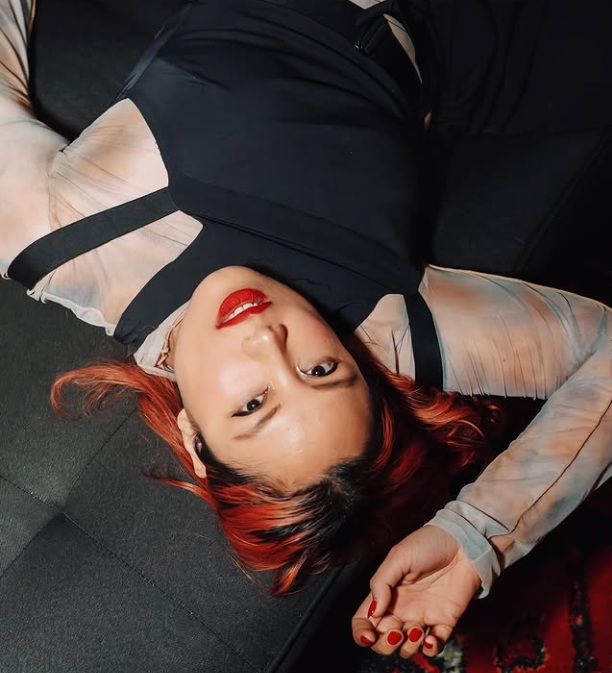
Check Thotyssey’s calendar for Kim Anh’s upcoming appearances, and follow her on Instagram, SoundCloud and her website.
 Thotyssey